The Essential Guide to Test Prints and Proofing for Professional Photography
T.K. Broecker / 22 March 2026
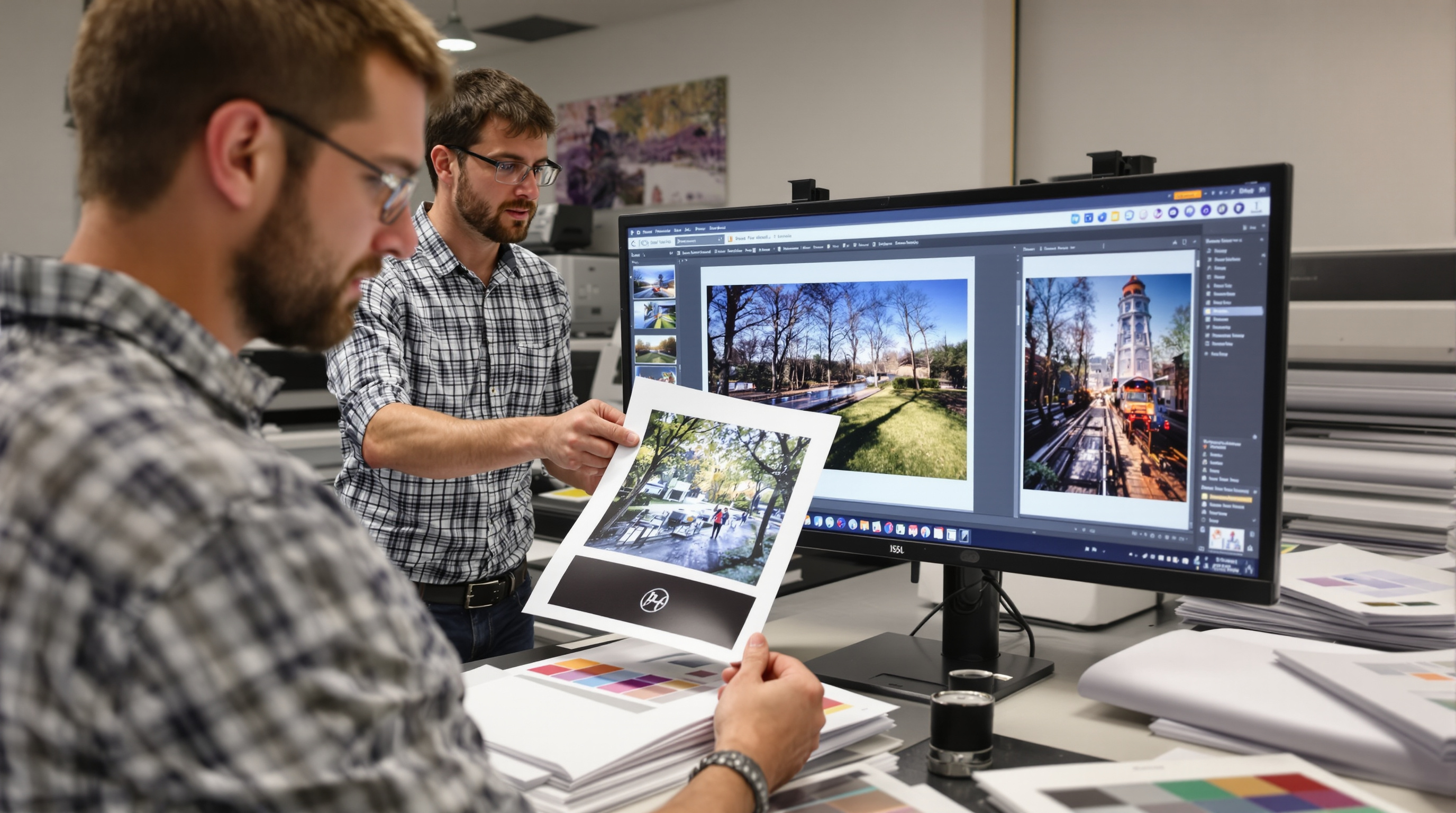
Test Prints & Proofing: Getting Professional Results the First Time
In the world of professional photography and printing, getting the final product right the first time is crucial. Test prints and proofing processes serve as critical quality control checkpoints before committing to large orders. They help identify potential issues with color accuracy, resolution, and overall print quality, saving photographers and clients both time and money. For photographers throughout Kentucky — whether shooting in Lexington, Owensboro, Elizabethtown, or smaller towns without a dedicated print lab nearby — understanding the proofing workflow ensures consistent, high-quality results that meet both creative vision and client expectations.
Understanding Test Prints vs. Proofs
Test prints and proofs serve distinct purposes in the professional printing workflow, though many use these terms interchangeably. A test print typically refers to a preliminary print used to verify basic elements like sizing, cropping, and general appearance. It's often produced on standard paper using regular printing settings.
A proof, however, represents a more sophisticated quality control tool that comes in several forms:
- Digital proofs - Screen-based previews that simulate how printed colors will appear
- Soft proofs - Digital proofs viewed on calibrated monitors that closely approximate final print appearance
- Hard proofs - Physical printed samples produced on the actual printing equipment and substrates that will be used for the final job
- Contract proofs - Legally binding representations of the expected final product that both printer and client approve
For professional photographers, hard proofs are particularly valuable as they provide tangible samples that demonstrate how images will render on specific papers, showing texture, color accuracy, and finish. These serve as benchmarks against which final prints can be compared.
The Critical Role of Color Management
Color accuracy represents one of the most challenging aspects of professional printing. The gap between what appears on screen and what emerges from the printer — often called the "screen-to-print disconnect" — requires systematic color management. This challenge is particularly felt by film photographers across Kentucky who are sending rolls to a professional lab and need confidence that their scans and prints will faithfully represent the original exposure.
Professional print labs implement color management systems that include:
- Regular monitor calibration using hardware colorimeters or spectrophotometers
- Creation and use of ICC profiles specific to each printer-paper-ink combination
- Standardized lighting conditions for evaluating proofs (typically D50 or D65 lighting)
- Color measurement tools to verify and maintain consistency between proofs and production runs
When evaluating color proofs against final prints, photographers should check:
- Color saturation and vibrancy
- Shadow detail and highlight reproduction
- Neutral gray balance
- Skin tone reproduction
- Specific brand colors or memory colors (like sky blue or grass green)
Understanding that different paper types inherently affect color reproduction helps set realistic expectations. Matte papers, for instance, typically produce softer contrasts and slightly muted colors compared to glossy or metallic papers. Exploring the full range of available professional photo print options — from lustre to metallic finishes — is a practical first step before committing to a proofing session.
Developing a Print Approval Workflow
Establishing a structured approval process prevents miscommunication and ensures client satisfaction. An effective workflow typically includes:
- Pre-flight file check - Verify image resolution (minimum 300dpi for professional printing), color space (typically sRGB or Adobe RGB), and file format (TIFF or high-quality JPEG)
- Paper sampling - Provide clients with physical samples of available papers, ideally with test images printed on each
- Proof production - Create accurate proofs using calibrated systems
- Structured evaluation - Review proofs under standardized lighting conditions
- Documented approval - Obtain written confirmation that the proof meets expectations
- Reference preservation - Maintain approved proofs as benchmarks for final production
For photographers managing client expectations, it's valuable to create a simple quality control checklist that includes:
- Image sharpness and resolution at intended viewing distance
- Color accuracy and consistency across multiple images
- Paper texture and finish appropriateness for the subject matter
- Print durability based on intended display conditions
- Special finishing options like borders, mounting, or coatings
This structured approach transforms the proofing process from a technical necessity into a value-added service that demonstrates professional expertise.
Preventing Costly Reprints
The financial implications of reprinting large orders make thorough proofing essential. Beyond basic visual inspection, professionals can implement these practices to avoid reprints:
- Crop mark verification - Ensure proper positioning and cropping
- Test prints at actual size - Confirm resolution sufficiency at full production scale
- Critical detail check - Examine shadow details, highlight preservation, and text legibility
- Physical inspection - Check for artifacts, banding, or printer-related issues
- Multiple viewer assessment - Have several individuals review proofs to catch issues a single reviewer might miss
When working with professional labs, establishing clear communication channels and understanding their proofing options creates a collaborative relationship that produces consistent results. As PetaPixel's guide to professional film labs highlights, the best labs today offer far more than basic processing — including calibrated digital proofs, paper consultation, and color correction tailored to each photographer's preferences. Many labs offer specialized proofing services like:
- Calibrated digital proofs delivered electronically
- Small-format test prints before large-format production
- Paper sample books with identical images printed across different substrates
- Soft-proofing with lab-specific ICC profiles
Photographers across Kentucky — including those in Elizabethtown, Owensboro, Ashland, and Lexington who may not have a professional lab in their immediate area — often rely on experienced labs that offer film developing and scanning services to ensure that colors, paper choices, and final presentation match expectations before full production begins.
Conclusion
The investment in thorough test printing and proofing processes pays dividends in client satisfaction, reputation protection, and cost efficiency. By implementing structured workflows that include proper file preparation, paper sampling, color management, and systematic approval processes, photographers can bridge the gap between creative vision and physical output. Remember that proofing isn't merely a technical step but a crucial quality assurance measure that demonstrates professionalism and attention to detail — qualities that ultimately distinguish exceptional print providers from the merely adequate.